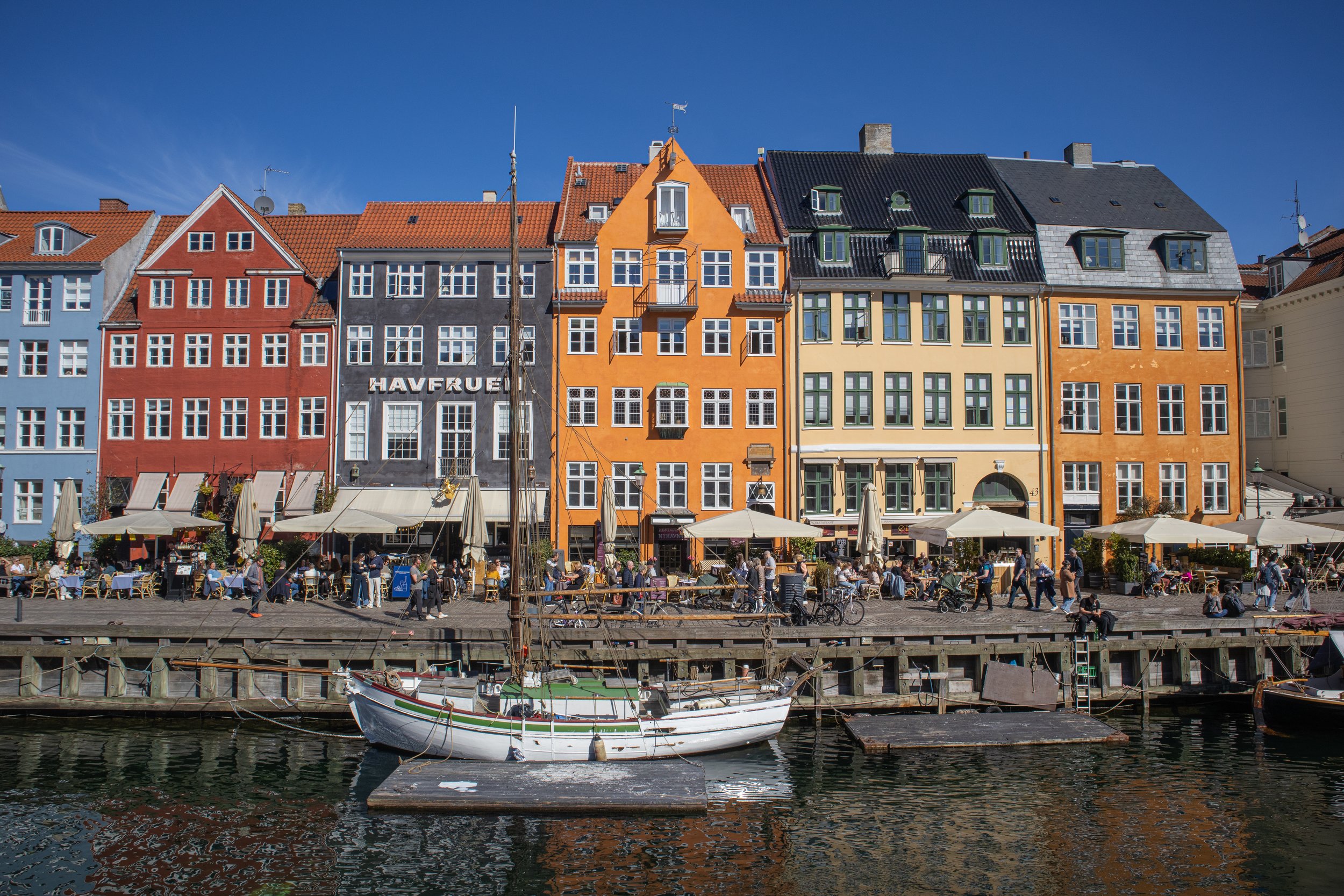
Things you need to know to fully appreciate your walk through Nyhavn
A guide by your local hosts at Nyhavn 41
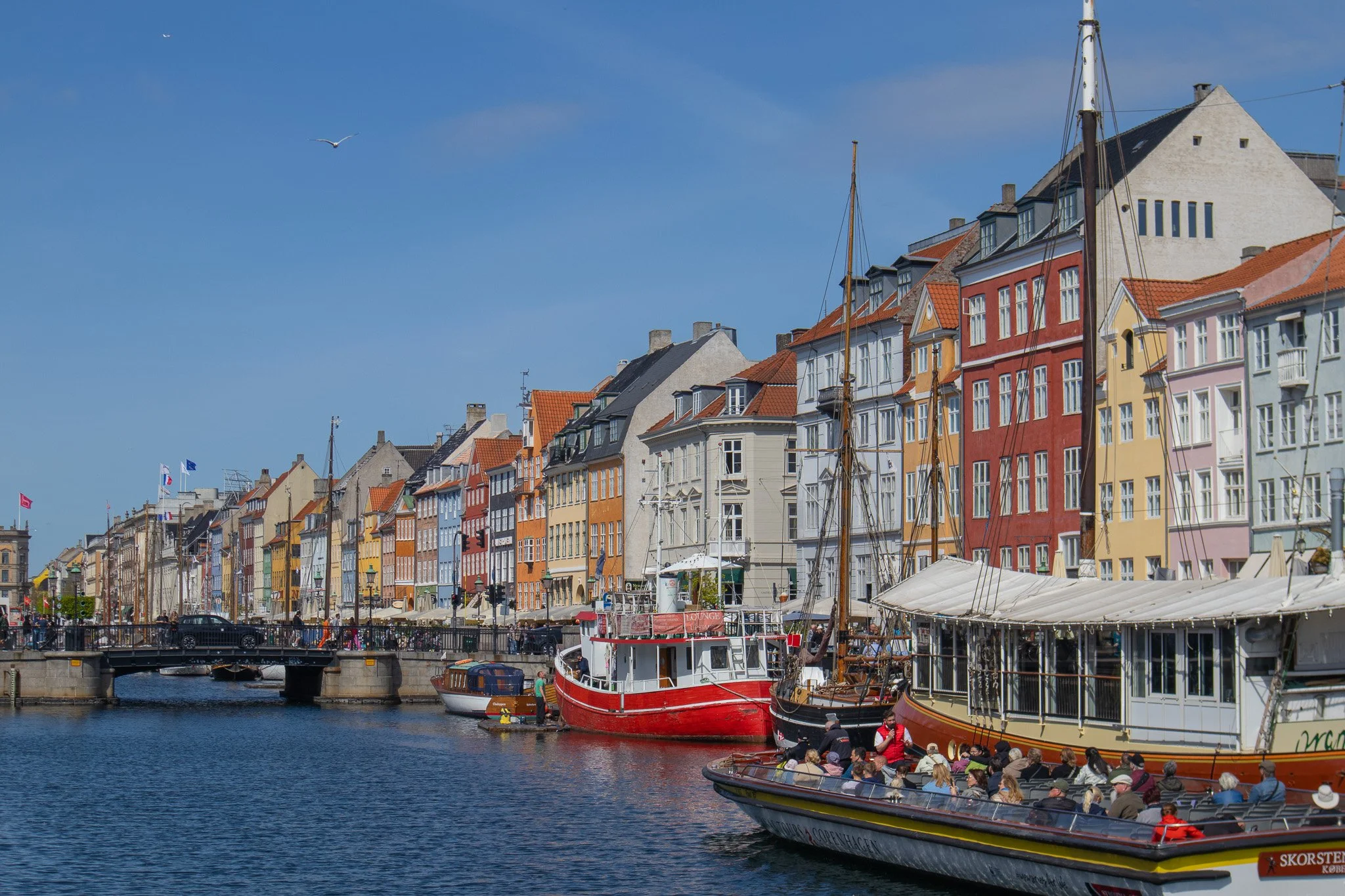
Nyhavn isn’t just a pretty postcard, there’s history in every stone
Most people pass through Nyhavn for the iconic photo, but few know that it was built between 1770 and 1773 by, it is said, Swedish prisoners from the war between Denmark and Sweden. It was built under King Christian V as a gateway from the sea into the heart of Copenhagen.
For over 200 years, Nyhavn was the center of the city’s maritime trade. Merchants lived above their warehouses, sailors came and went, and the harbor was packed with ships built for every kind of journey.
The walk to Nyhavn is a journey through time
If you're arriving by metro (get off at Kongens Nytorv), don’t rush. The walk toward Nyhavn holds so much magic, especially on a clear day. You pass some of Copenhagen’s most iconic buildings: the Royal Danish Theatre with its grand neoclassical facade, the historic Hotel d’Angleterre, one of Europe’s oldest luxury hotels, the elegant French Embassy housed in a beautiful 18th-century mansion, and the grand building that now houses Magasin du Nord, once a luxury hotel itself. Surrounded by all this history, you suddenly see Nyhavn appear in the distance, its colorful facades reflecting in the water like a painting come to life.
Tourist spot? Yes. Overrated? Absolutely not
Yes, it gets busy. Yes, everyone wants their selfie here. But there’s a reason for that. Nyhavn has a charm that feels timeless. Sit by the canal, watch the old wooden ships, or eat some Smørrebrød on the “sunny side” and you’ll understand.
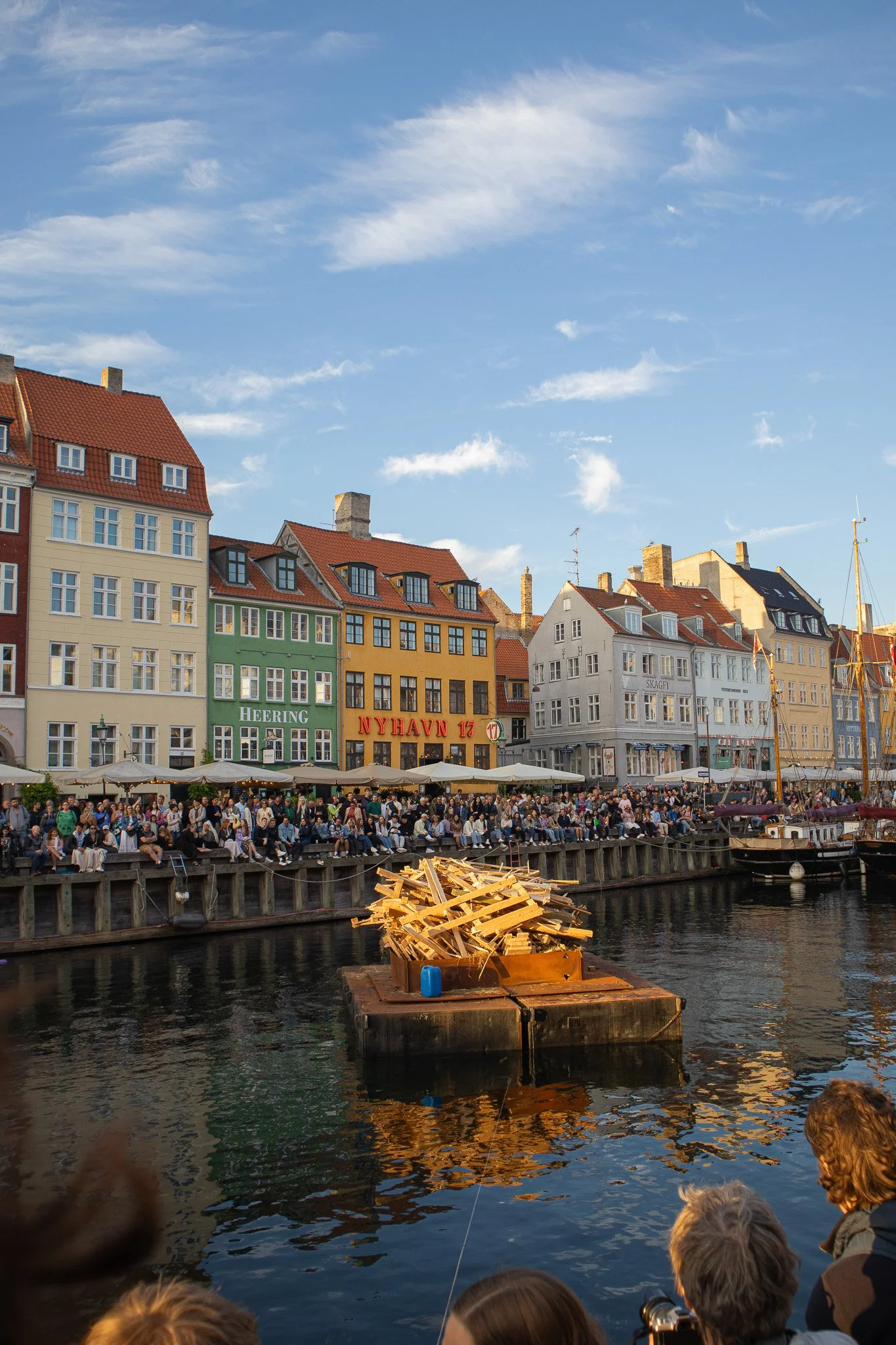
Midsummer in Nyhavn
Sunny side vs. shady side
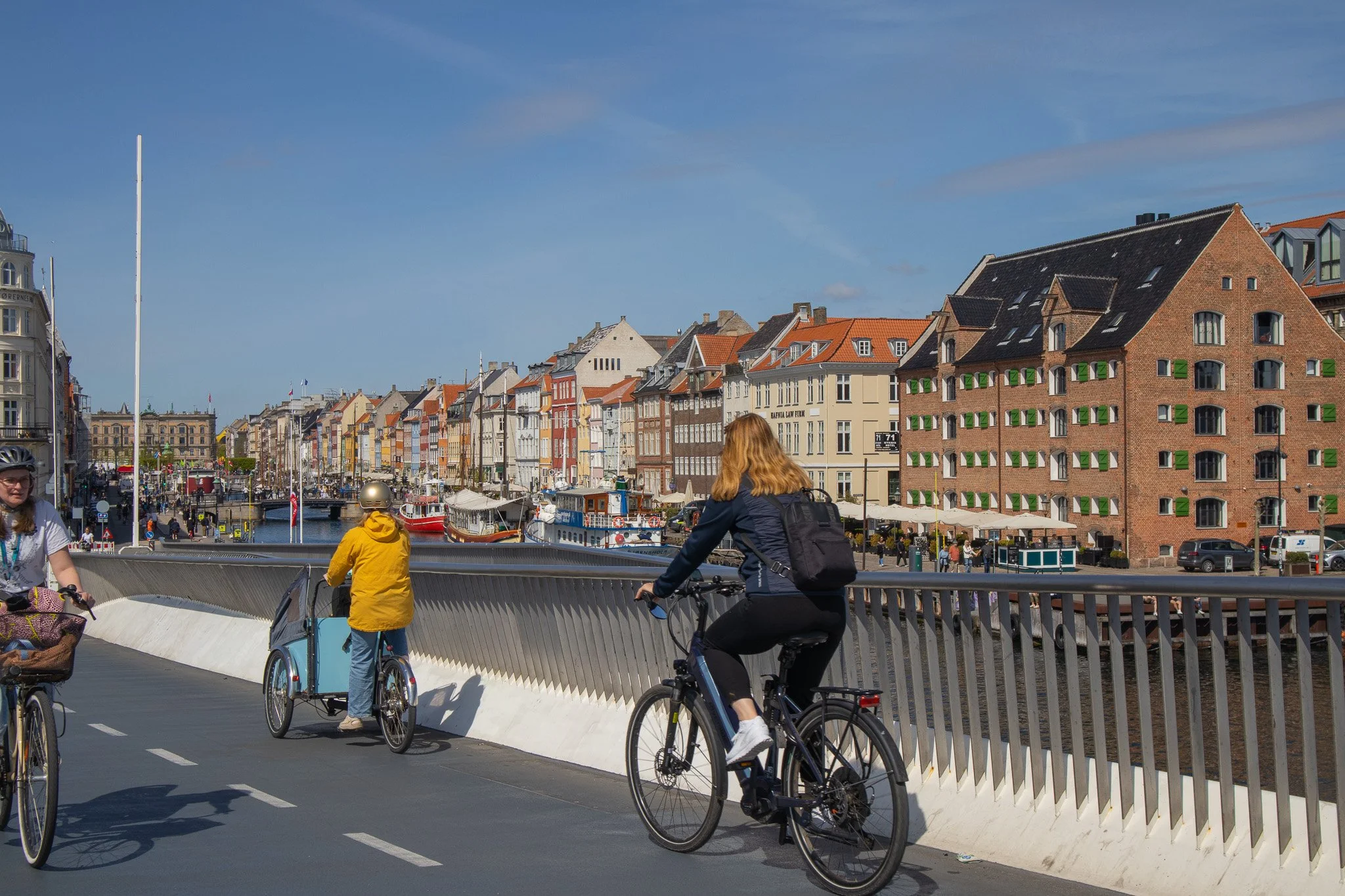
The “sunny side” of Nyhavn. A view from Inderhavnsbroen
Locals know: one side of the canal (the north side) gets the sun almost all day, making it the perfect spot for outdoor dining, people-watching, and enjoying a cold beer even on chilly winter days. That’s why you’ll find most restaurants and cafes with terraces here, including ours!
The south side, on the other hand, was once the gritty underbelly of Nyhavn. In the 18th and 19th centuries, it was known for taverns, brothels, and sailor’s lodgings, places where Copenhagen’s working class and seafarers found entertainment and trouble. While the bars have been replaced by apartments and quiet offices, you can still feel a bit of that edge in the narrow alleys and old signs above the doors.
Today, both sides are welcoming and lively, but if you listen closely, the buildings still whisper stories of wild nights, long voyages, and lives lived along the canal.
The ghosts of the past…and a fairytale too

Nyhavn No. 20 right in front of Nyhavn 41 and home to H.C Andersen during the 1830’s
Did you know H.C. Andersen lived in not one, but three different houses along Nyhavn? House No. 20 (right in front of our terrace), 67, and 18 were his homes at different points. He wrote many of his fairytales here. But not all stories were sweet, there are tales of ghost sightings and sailors who never came back from the sea...
Nyhavn then and now
What started as a gritty commercial port evolved into one of Copenhagen’s most loved spots. Today, it’s where locals and tourists come to relax, eat (like at Nyhavn 41!), and soak in the atmosphere.