What is Smørrebrød? Denmark’s most iconic dish explained
More than lunch, Smørrebrød is a cultural institution, steeped in history, tradition, and a bit of Danish hygge.
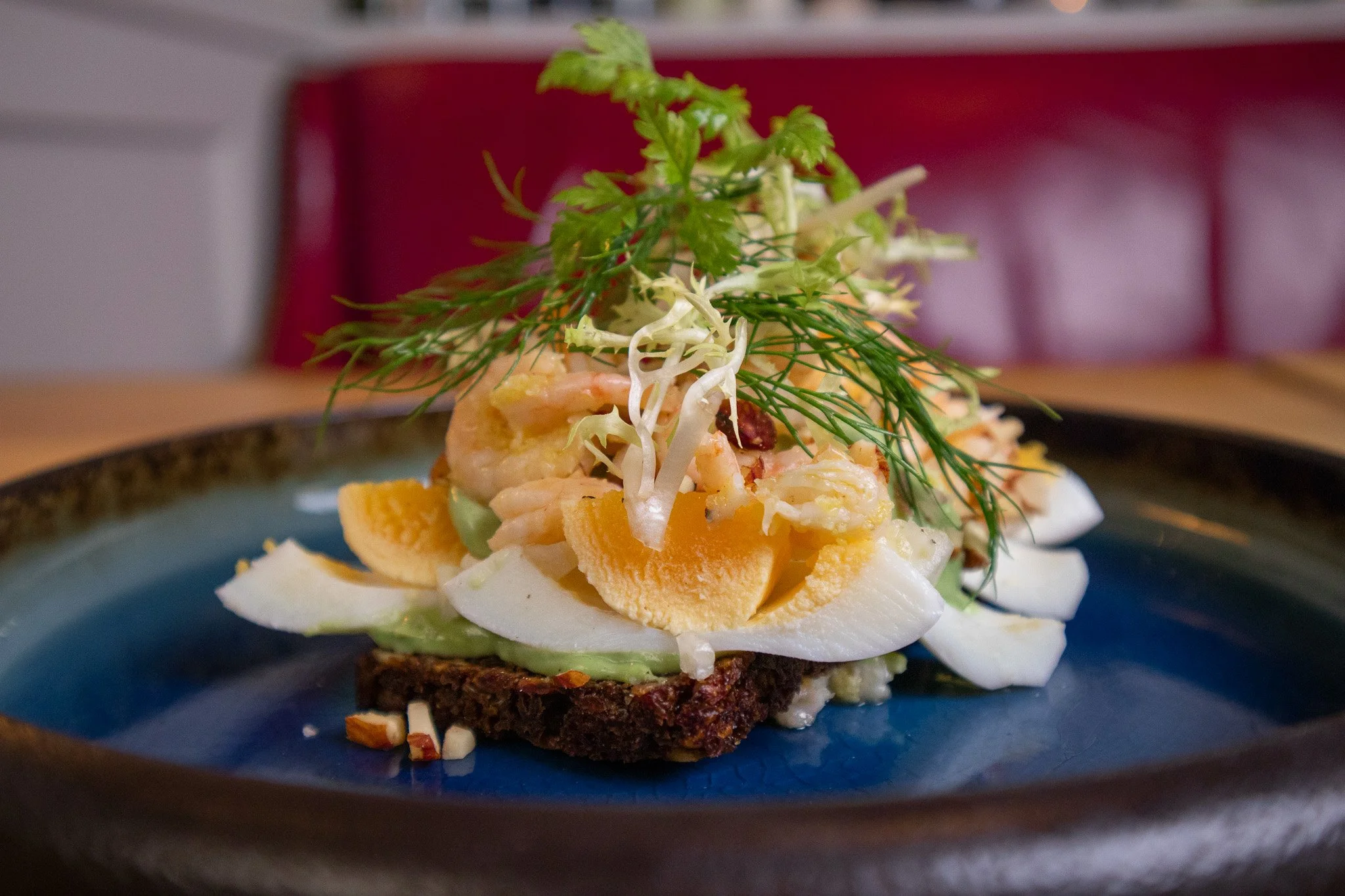
The famous Egg & Shrimp Smørrebrød - Nyhavn 41
If you’re visiting Denmark, one culinary experience you simply can’t miss is trying Smørrebrød, Denmark’s legendary open-faced sandwich. More than lunch, Smørrebrød is a cultural institution, steeped in history, tradition, and a bit of Danish hygge. But what exactly is it, and why does it hold such a special place on Danish tables? Let’s unwrap the story behind it.
A slice of history: Where Smørrebrød began
The word Smørrebrød literally means “buttered bread,” and its roots date back centuries. Originally, it was a practical meal for Danish farmers and laborers, a thick slice of dense, dark rye bread generously spread with fat to keep the bread from becoming soggy, topped with whatever was on hand: salted herring, cold cuts, or cheese.
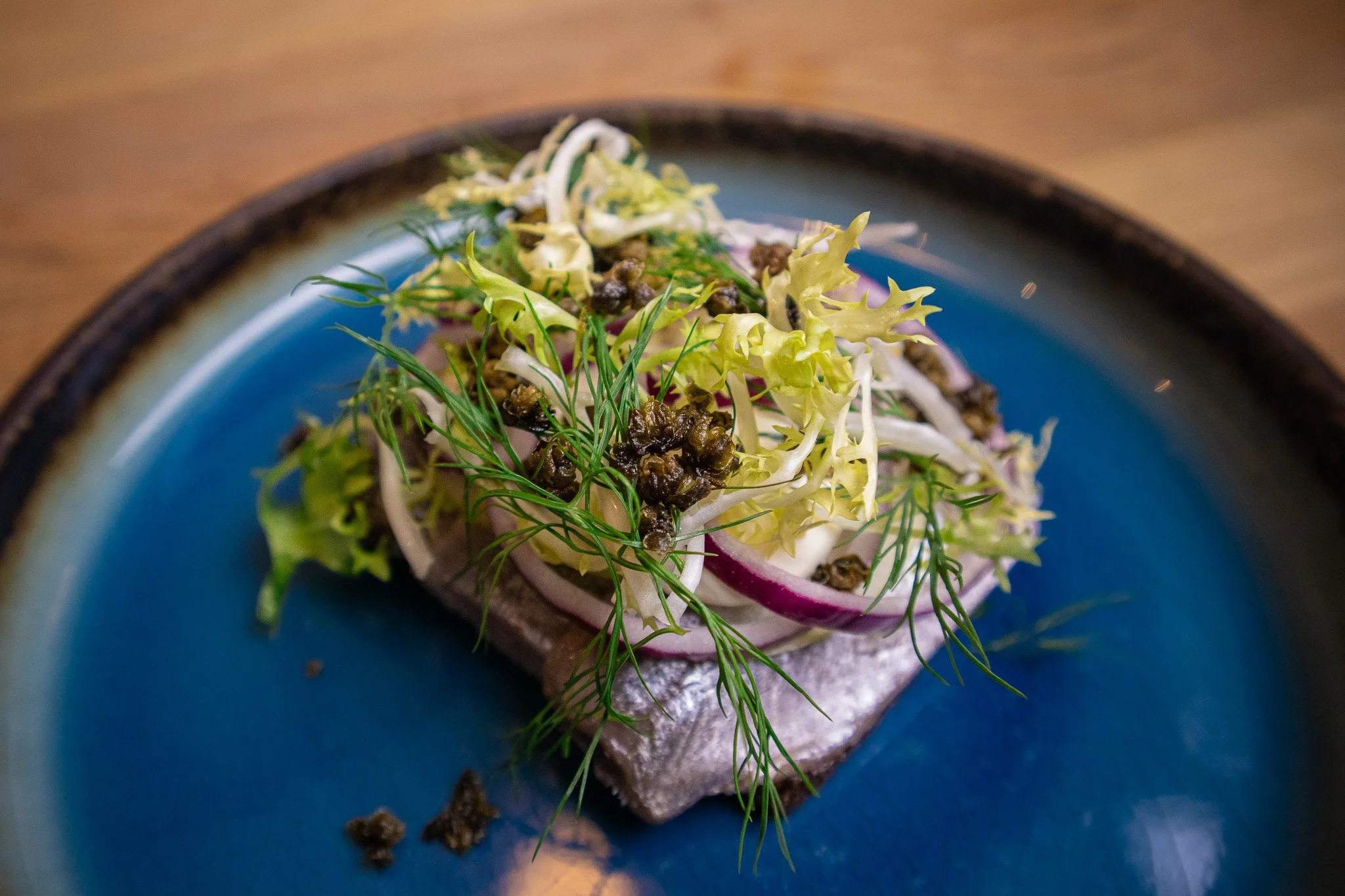
A classic Smørrebrød: Marinated Herring - Nyhavn 41
The rise of Smørrebrød culture in Copenhagen
As Copenhagen grew into a bustling urban center in the mid-1800s, it attracted waves of farmers, traders, and workers from the countryside. These newcomers often ended their day in local taverns and bodegas, where they’d gather for a glass of brændevin, a strong local spirit distilled from grain or potatoes.
Tavern owners began serving simple bites: hearty slices of rye bread topped with cold meats, pickled fish, cheese, and herbs. These were quick to prepare, didn’t require a full kitchen, and perfectly complemented the drinks. It was a clever way to turn a drink stop into a meal, and a business opportunity.
By the late 1800s, this humble setup evolved into dedicated Smørrebrød eateries. One of the most influential was the wine bar run by Oskar Davidsen, who transformed smørrebrød from rustic bites into beautifully composed, generous portions that began stacking ingredients vertically. His innovation helped elevate Smørrebrød into a more refined culinary experience.
How to eat Smørrebrød like a Dane
Smørrebrød is more than just food; it’s an experience. Traditionally, it’s eaten with a knife and fork, not held like a sandwich, as the toppings are carefully stacked and often delicate.
Danish dining etiquette has even suggested an order: start with lighter, often fish-based smørrebrød, then move to richer meat dishes, and finish with something like cheese or dessert smørrebrød. Pair your meal with a cold Danish beer or the classic aquavit to get the full cultural flavor.
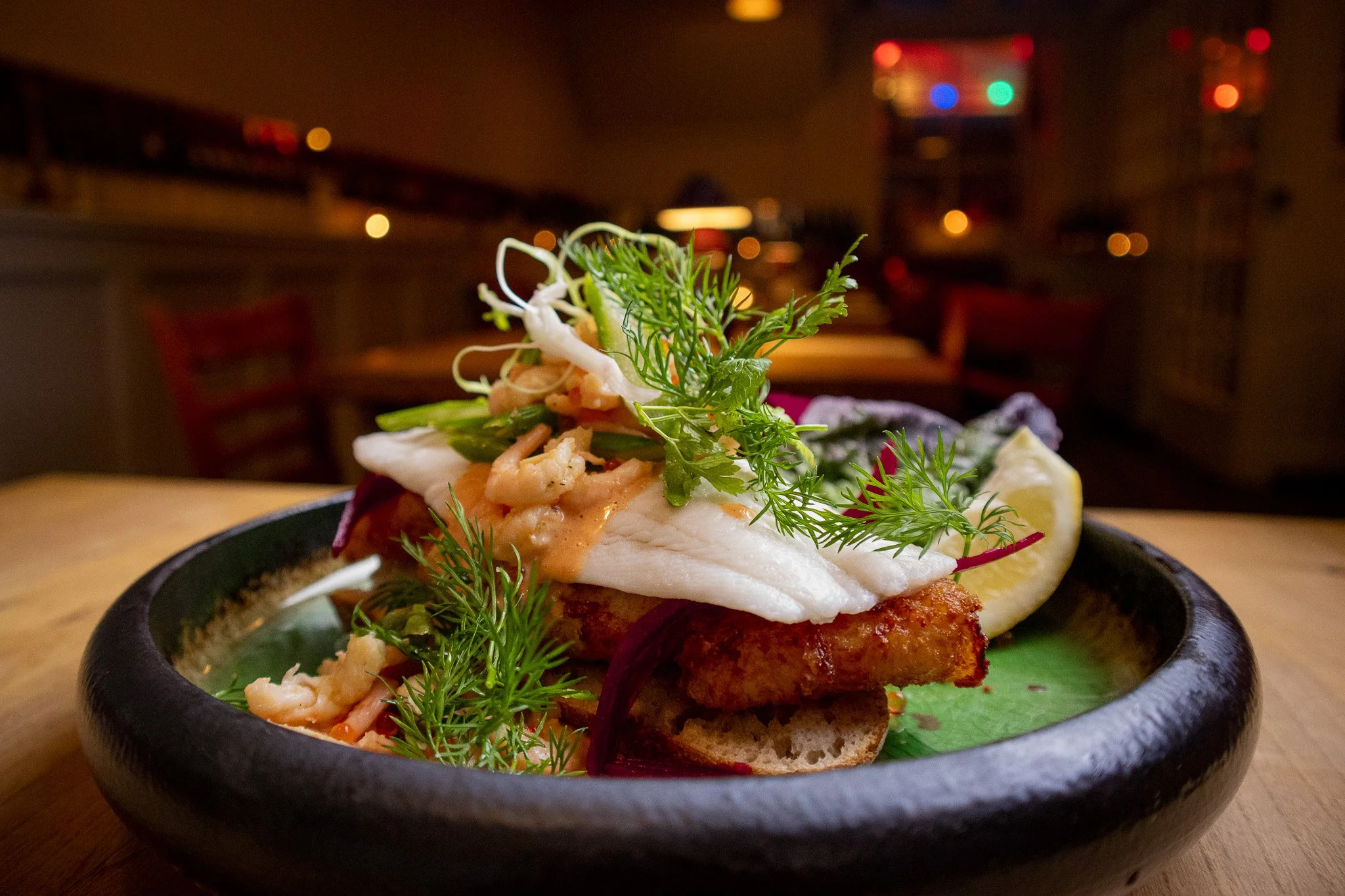
The now traditional Stjerneskud was created to celebrate Yuri Gagarin’s stay in Copenhagen
Smørrebrød is much more than open-faced sandwiches, it’s a window into Danish culture, history, and hospitality. Next time you visit Denmark, be sure to savor this simple yet sophisticated dish, and you’ll understand why it’s held dear by locals and visitors alike.